
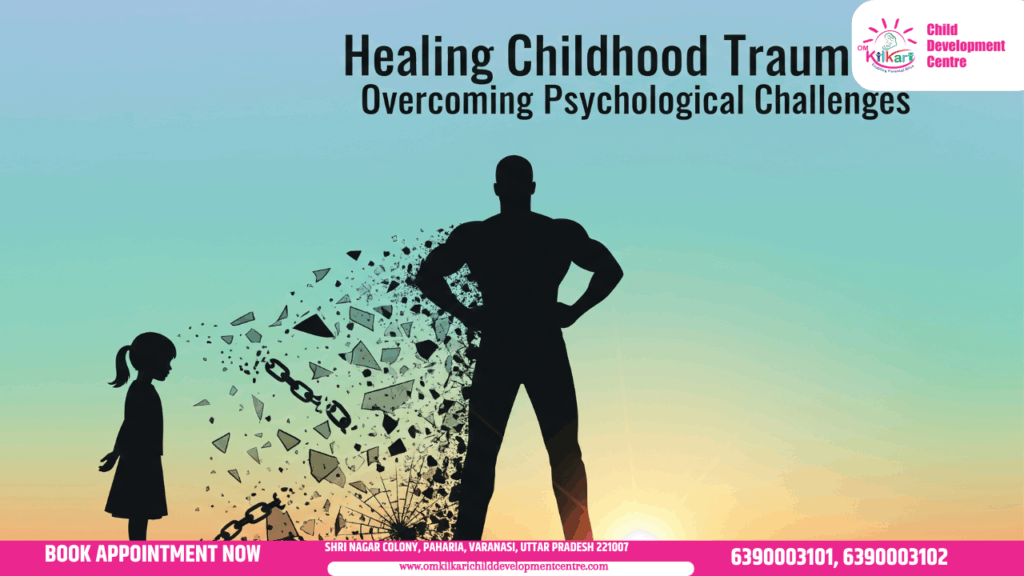
Childhood is often imagined as a time of innocence, playfulness, and discovery. However, for many individuals, early life experiences are shaped by neglect, abuse, conflict, or instability. These painful experiences can leave deep emotional scars that persist into adulthood, affecting mental health, relationships, career, and overall well-being. The process of healing childhood trauma is not easy, but it is possible. With the right knowledge, support, and therapeutic approaches, individuals can overcome psychological challenges, reclaim their lives, and build healthier futures.
This article explores childhood trauma in depth—its causes, symptoms, long-term effects, and scientifically backed strategies for healing. Whether you are someone who has endured childhood trauma, a mental health professional, or a parent seeking to understand the importance of early emotional health, this comprehensive guide offers valuable insights.
Understanding Childhood Trauma
What is Childhood Trauma?
Childhood trauma refers to emotionally painful or distressing experiences during early developmental years. These events overwhelm a child’s ability to cope, leaving them feeling helpless, unsafe, or unloved. Unlike ordinary stress, which children can usually manage with adult support, trauma disrupts the nervous system and impacts long-term emotional regulation.
Common Types of Childhood Trauma
- Physical Abuse – Infliction of bodily harm through hitting, beating, or harsh punishment.
- Emotional Abuse – Verbal insults, humiliation, or constant criticism.
- Sexual Abuse – Involvement of a child in sexual acts or exposure to inappropriate behavior.
- Neglect – Failure to provide basic needs like food, shelter, affection, and medical care.
- Domestic Violence Exposure – Witnessing parental conflict, abuse, or violence at home.
- Loss of a Parent or Caregiver – Death, divorce, abandonment, or separation.
- Bullying – Persistent harassment or humiliation by peers.
- Community Violence – Growing up in unsafe environments with frequent exposure to crime.
How Childhood Trauma Shapes the Brain
Scientific research shows that trauma can alter brain development in children. For example:
- Amygdala (fear center) becomes overactive, making the child hypervigilant and anxious.
- Hippocampus (memory processing) may shrink, leading to difficulty distinguishing between past and present threats.
- Prefrontal Cortex (decision-making and emotional regulation) becomes underdeveloped, impairing impulse control and problem-solving.
This neurological impact explains why many trauma survivors struggle with emotional regulation, trust, and self-esteem well into adulthood.
Signs and Symptoms of Childhood Trauma
Not every child responds to trauma in the same way, but there are common indicators:
In Children
- Nightmares or sleep disturbances
- Regression (bedwetting, thumb sucking)
- Aggressive or withdrawn behavior
- Poor academic performance
- Fear of separation from caregivers
- Difficulty forming friendships
In Adults (Survivors of Childhood Trauma)
- Low self-esteem and self-worth
- Fear of abandonment
- Difficulty trusting others
- Depression, anxiety, or PTSD
- Substance abuse or addictive behaviors
- Chronic health issues (headaches, digestive problems, fatigue)
- Trouble maintaining stable relationships
Long-Term Effects of Childhood Trauma
Unresolved trauma can ripple through every aspect of life. Studies link childhood trauma to:
- Mental Health Disorders – Higher risks of depression, bipolar disorder, anxiety, and borderline personality disorder.
- Physical Health Issues – Greater vulnerability to cardiovascular disease, diabetes, and autoimmune disorders.
- Relationship Challenges – Struggles with intimacy, attachment styles, and conflict management.
- Career and Academic Impact – Difficulty focusing, low confidence, and higher dropout rates.
- Intergenerational Trauma – Trauma patterns often pass down to children if left unaddressed.
The Adverse Childhood Experiences (ACE) Study, one of the largest investigations of its kind, showed a direct correlation between childhood trauma and long-term health problems. The higher the ACE score, the higher the risk of chronic illness and early mortality.
Healing Childhood Trauma: Pathways to Recovery
Healing from trauma is not about erasing the past but learning to integrate experiences in a way that no longer controls the present.
1. Acknowledgment and Self-Awareness
The first step toward healing is recognizing that trauma occurred and that it has shaped one’s life. Many survivors minimize or deny their pain due to shame or fear. However, acknowledgment brings validation and opens the door to recovery.
2. Therapy and Counseling
Professional support is often essential. Evidence-based therapies include:
- Cognitive Behavioral Therapy (CBT) – Helps reframe negative thoughts and beliefs.
- Eye Movement Desensitization and Reprocessing (EMDR) – Reduces distress from traumatic memories.
- Trauma-Focused CBT (TF-CBT) – Specifically designed for children and adolescents.
- Somatic Experiencing – Focuses on releasing trauma stored in the body.
- Psychodynamic Therapy – Explores unconscious patterns rooted in childhood.
3. Building Safe Relationships
Healing requires trust, connection, and healthy attachments. Supportive relationships with friends, partners, or mentors create emotional safety and provide new experiences of love and care.
4. Self-Care and Coping Strategies
- Mindfulness Meditation – Reduces stress and increases present-moment awareness.
- Exercise and Yoga – Helps regulate the nervous system and release stored tension.
- Journaling – Provides a safe outlet for expressing emotions.
- Creative Expression – Art, music, or writing can help process emotions nonverbally.
5. Inner Child Healing
Many therapies involve reconnecting with the “inner child”—the vulnerable part of oneself that still carries pain. This may include:
- Writing letters to your younger self
- Practicing self-compassion
- Visualization exercises to provide comfort and safety to the child within
6. Setting Boundaries
Trauma survivors often struggle with saying “no” or protecting their needs. Learning to set boundaries is an act of self-respect and essential for building healthy relationships.
7. Community and Peer Support
Support groups, both in-person and online, allow survivors to share experiences without judgment. This collective healing fosters a sense of belonging and reduces isolation.
Overcoming Psychological Challenges
Healing Anxiety and Hypervigilance
Many trauma survivors live in constant fear. Grounding techniques (deep breathing, sensory focus) help shift the body out of survival mode. Therapy can gradually desensitize triggers.
Managing Depression
Unprocessed grief from childhood often leads to depression. Practices such as gratitude journaling, behavioral activation (engaging in meaningful activities), and therapy can lift mood.
Rebuilding Self-Esteem
Trauma often teaches children they are “not enough.” Affirmations, accomplishments, and compassionate self-talk rebuild self-worth.
Developing Healthy Relationships
Survivors must unlearn toxic patterns and relearn healthy attachment styles. This involves recognizing red flags, practicing communication skills, and trusting at a healthy pace.
Breaking Generational Cycles
Parents who experienced trauma can consciously choose to parent differently by practicing positive reinforcement, emotional validation, and mindful parenting.
Stories of Healing and Resilience
- Maria’s Story – After years of emotional abuse, Maria found healing through EMDR therapy and now mentors young women facing similar struggles.
- Ravi’s Journey – A survivor of childhood neglect, Ravi overcame depression by joining a peer-support group and practicing yoga.
- Sophia’s Transformation – Growing up in a violent household, Sophia pursued counseling and learned to break free from toxic relationships, creating a safe home for her children.
These stories remind us that healing is not linear, but transformation is possible with persistence and support.
Role of Parents, Teachers, and Society
- Parents must foster safe, loving environments and seek help if their child shows trauma symptoms.
- Teachers should be trained to recognize behavioral changes that may signal trauma.
- Society needs to reduce stigma, provide access to mental health resources, and protect children from abuse through strong policies.
Future Outlook: Trauma-Informed Care
Trauma-informed care is an approach gaining global recognition. It emphasizes safety, empowerment, and trust in schools, healthcare, and workplaces. By understanding how trauma shapes behavior, institutions can respond with compassion instead of punishment.
Conclusion
Childhood trauma is a silent epidemic that affects millions worldwide. Its psychological challenges—fear, shame, depression, anxiety—can feel overwhelming, but healing is always possible. Through therapy, supportive relationships, self-care, and resilience, survivors can rewrite their narratives. Healing childhood trauma is not about forgetting the past; it’s about reclaiming the present and creating a future filled with hope, strength, and self-love.
If you or someone you know is struggling with unresolved childhood trauma, reaching out for professional help can be the most important step toward transformation. Healing is not an overnight journey, but every step forward is proof of courage and resilience.